Building logistics networks that survive contested environments
Explore how software, edge AI and resilient connectivity can strengthen military logistics in contested environments. Join Breaking Defense on Oct. 21 and earn 1 CPE credit.
Explore how software, edge AI and resilient connectivity can strengthen military logistics in contested environments. Join Breaking Defense on Oct. 21 and earn 1 CPE credit.
“We can't devote C-130s and C-17s to do a lot of these little shuttle missions,” said retired Maj. Gen. Kyle Kremer, a Merlin advisor.

Demand signals from leadership are shaping investments in design, engineering and manufacturing.

Gen. Randall Reed, who recently took over as head of US Transportation Command, said the US needs to strengthen its defenses in non-kinetic and “gray zone” operations.

“There’s no way we go into a large-scale fight without relying on allies and partners for supply chain airfields [and ports]. We've identified [those], you know, down to every airfield and port there is,” said Army Materiel Command head Gen. Charles Hamilton. “Have we done the same thing here in the United States?"

“Envision a swarm of these autonomous vessels going out to various island chains … not having to beach because we're gonna have the UAVs come in, meet somewhere over the water, grab portions, and take that AOR’s portion … of ammo, food, blood,” said Rob Watts, the deputy director of the Army’s contested logistics cross-functional team.

"What we found is that systems that are heavily reliant on contractor support, that have a minimum of government-owned intellectual property or access to the intellectual property, that the flexibility to make changes in accordance with a new national security environment is limited," Assistant Secretary of Defense Christopher Lowman told Breaking Defense.


A decorated combat aviator and biotech CEO advocates preparing for novel viral threats before the next crisis.

Observing Ukraine, Gen James Rainey told Breaking Defense, "We're a joint force and every domain matters, but the land domain is absolutely decisive. That remains unchanged."
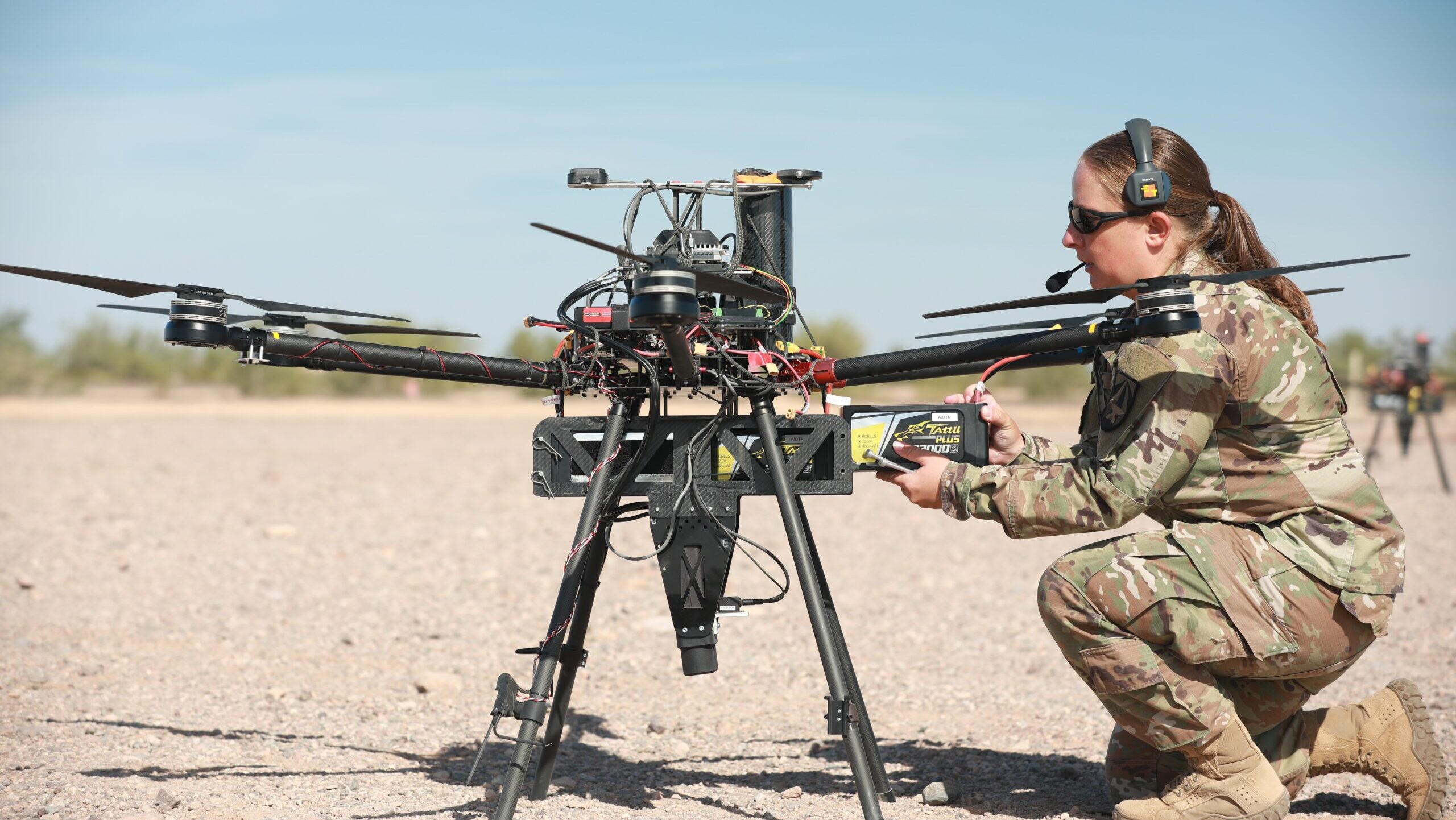
“Contested logistics are hard enough without running a resupply operation and not getting the right thing: There's a lot of room there for progress,” Gen. James Rainey told Breaking Defense.
After the exercise, the Army plans to leave logistic support equipment, like tanker trucks, inside Australia instead of loading it back onto the Army Prepositioned Stock 3 ships.
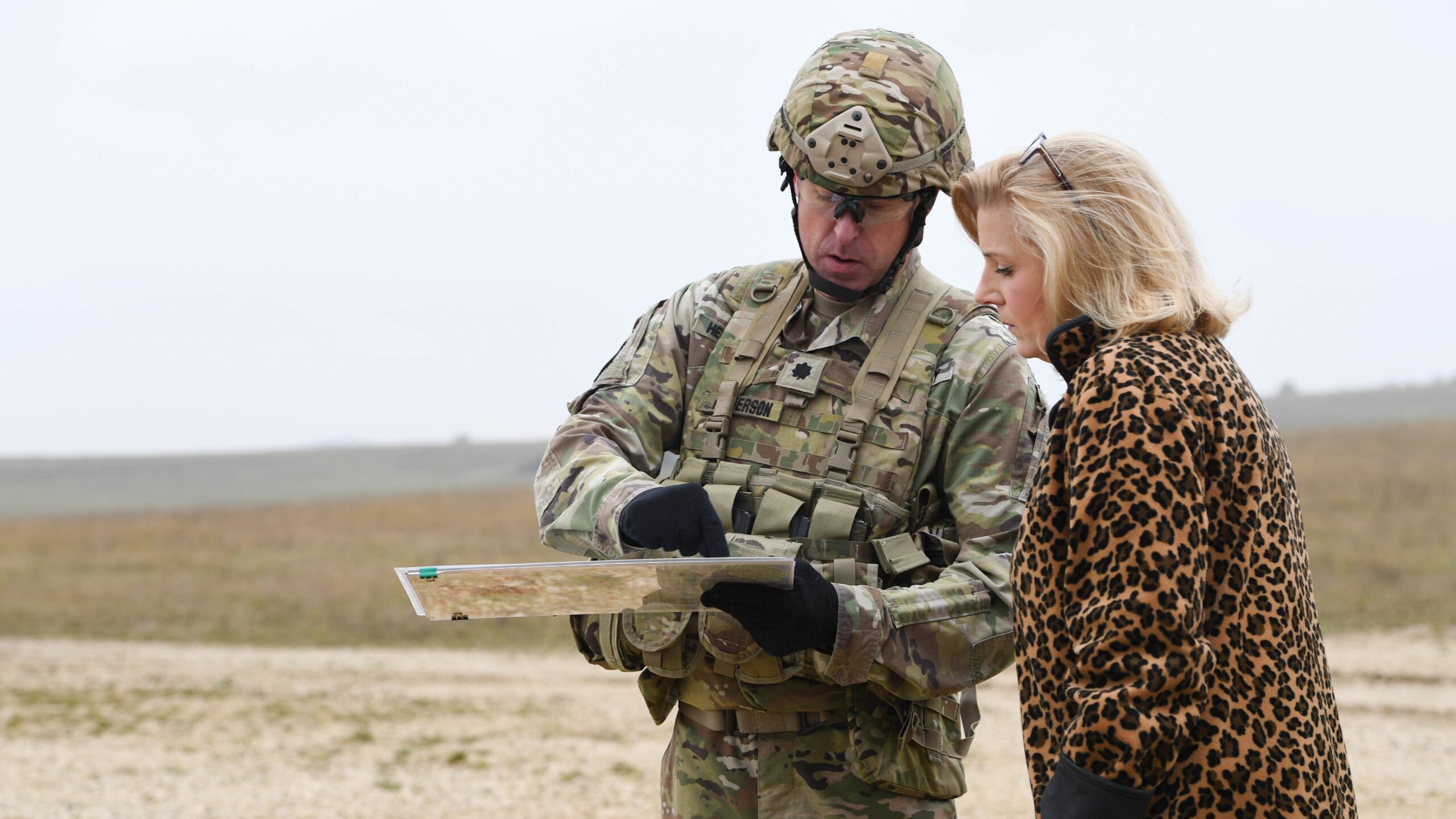
The Army wants to be a major logistics player in the Pacific. The secretary of the Army thinks commercial industry has tools to help the service do that.

Threats have changed the range, seeking and attack capabilities necessary to ensure effectiveness.

"...[W]hen you have a living and breathing threat, you need to think about the things such as a contested and congested environment,” Maj. Gen. Rob Collins, the service’s program executive officer for command, control, communications-tactical (PEO C3T) said.

The new Joint Warfighting Concept to guide military operations for the next 30 years is "aspirational," and now must be fleshed out as best the Pentagon can with the resources available, says Gen. John Hyten, vice JCS chair.

NORTHCOM's GIDE experiments are aimed at applying AI decision-making tools to realistic scenarios "to show what's available now, and to change culture," Gen. Glen VanHerck, NORTHCOM commander, said.

"AI is going to change many things about military operations, but nothing is going to change America’s commitment to the laws of war and the principles of our democracy," the Defense Secretary said.